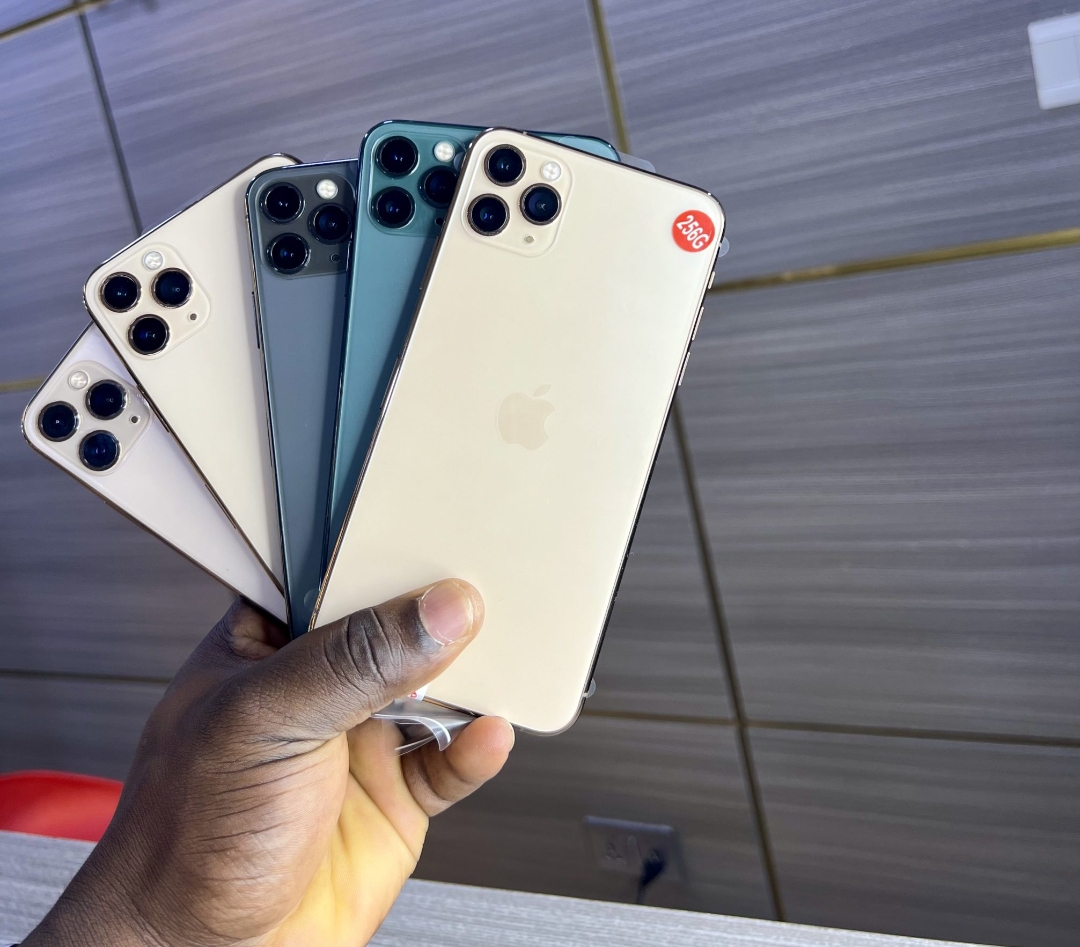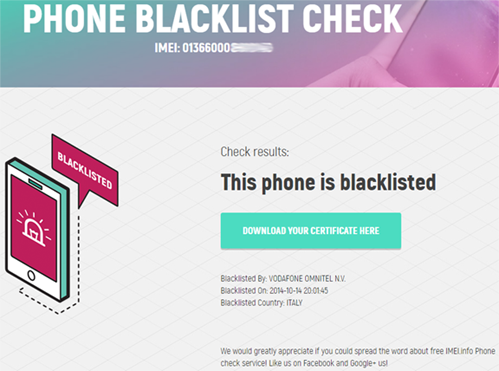
The term "Blacklisted" is one of the most dreaded words in the used smartphone market, yet many buyers don't fully understand what it entails until it's too late. At its core, IMEI blacklisting is a powerful security measure implemented by network providers to render stolen or lost devices unusable.
How It Works:
Every mobile device has a unique identity known as the International Mobile Equipment Identity (IMEI). When you report your phone as stolen to your carrier or police, this unique 15-digit number is added to a shared database known as the blacklist. Once an IMEI is blacklisted, network towers will reject any attempt by that device to connect. This means that even if a thief swaps out the SIM card for a new one, the phone itself remains blocked from making calls, sending texts, or using mobile data.
The Role of CheckYourIMEI.ng:
In Nigeria and the broader region, navigating the used phone market can be risky without the right tools. This is where CheckYourIMEI.ng becomes essential. By aggregating data from various sources, it allows users to verify the status of a device instantly. Before you hand over cash for a "UK Used" or second-hand phone, running the IMEI through CheckYourIMEI.ng can tell you if the device has been flagged as stolen or lost locally, saving you from buying a useless paperweight or, worse, receiving stolen property.
Regional Differences:
It is important to note that blacklists have historically been regional. A phone blacklisted by a carrier in the United States might theoretically still function if shipped to Nigeria or another continent. However, the GSMA and international carriers are increasingly sharing their blacklist databases to combat global phone trafficking. A device blocked in one country is becoming harder to use in another, making pre-purchase verification even more critical regardless of where the phone originated.
Before Buying Used:
Protecting yourself starts with due diligence. Always ask the seller for the IMEI number before meeting up or finalizing a purchase. If they refuse to provide it, consider that a major red flag. Take that number and enter it into a trusted verification service. A clean result gives you peace of mind, ensuring that the device is legitimate, debt-free, and ready for you to use without fear of a sudden network lockout.